
Maximum Number of Students
25
Duration
1 Day 9:30 – 2:30
Curriculum Areas
VCE – Chemestry
Description
How can science precisely measure what’s in your coffee and why does it matter?
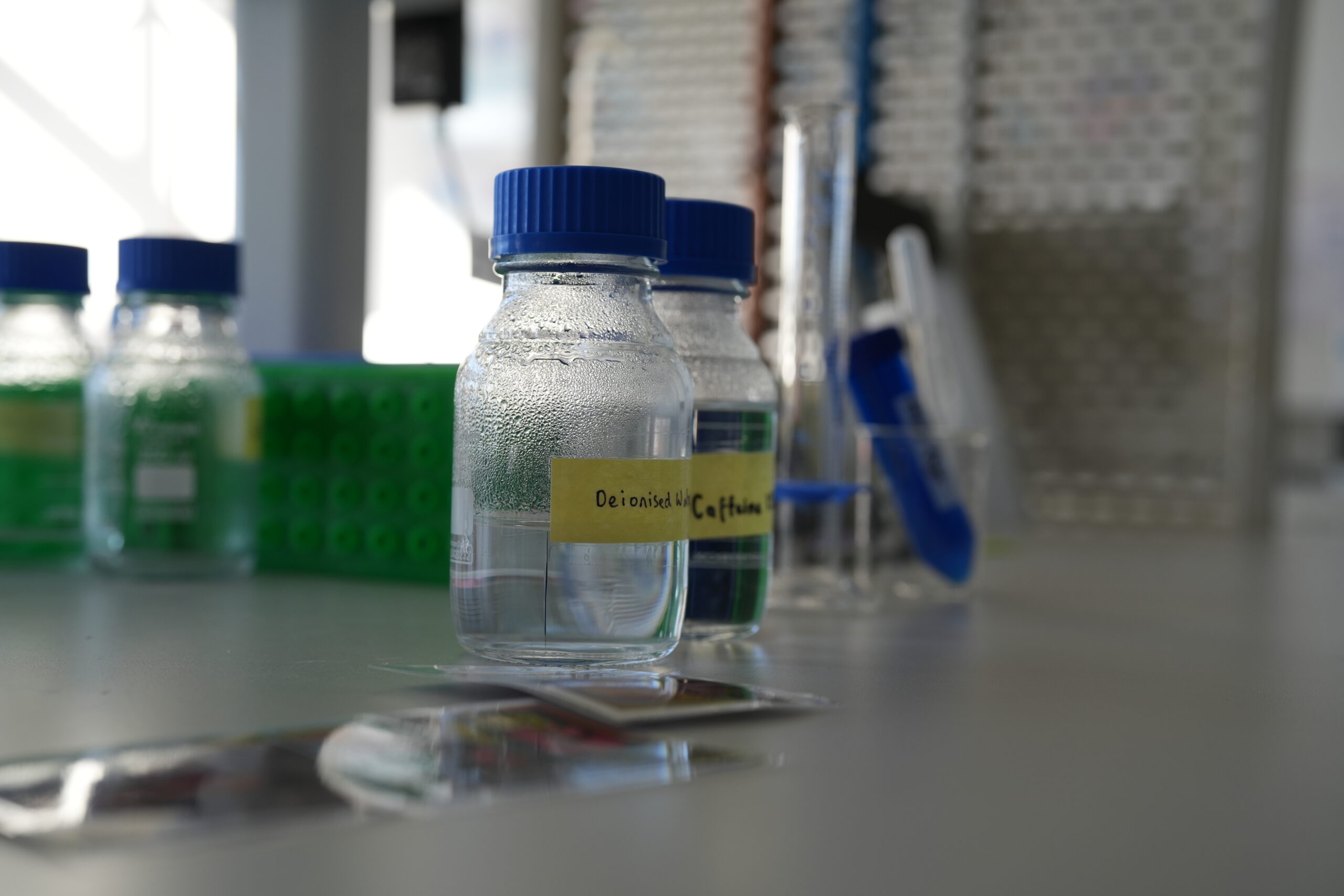
In this hands-on laboratory program, students explore the chemical structure and physiological effects of caffeine while learning how to analyse its concentration using High-Performance Liquid Chromatography (HPLC). Using industry-standard equipment and scientific processes, students investigate a range of drinks – including energy drinks, instant coffee, and decaf varieties, to uncover their caffeine content.
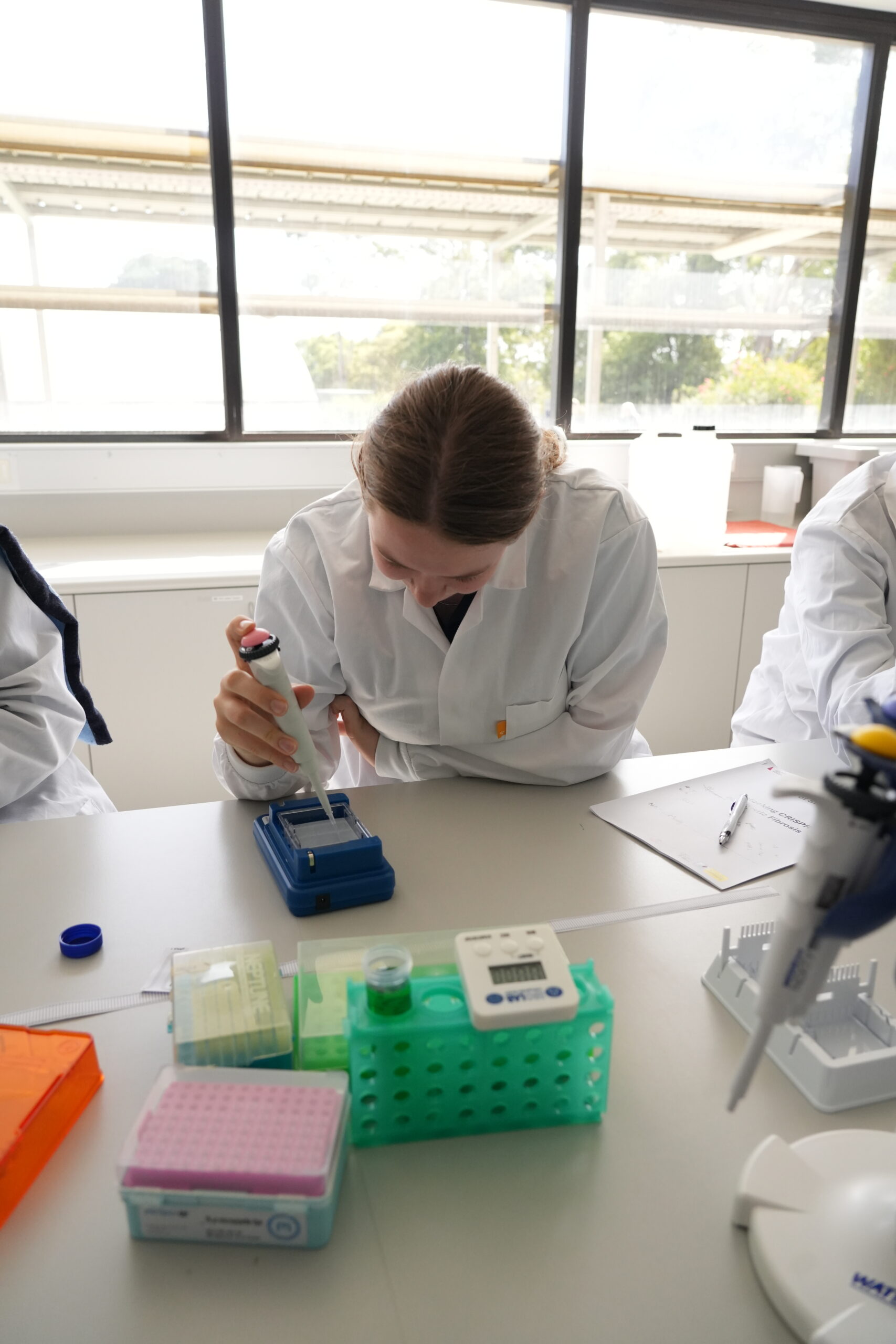
Students begin by using micropipettes to prepare chemical standards and practice precision in measurement. They then run these standards and unknown samples through the HPLC, learning to operate the instrument, interpret chromatograms, and calculate caffeine concentrations using Excel to construct calibration curves. Through this immersive experience, students learn the principles of chromatography, the importance of accuracy vs. precision, and how analytical chemistry applies across industries such as food science, pharmaceuticals, and environmental testing. By the end of the program, students will have gained valuable lab skills, analytical techniques, and insight into future scientific pathways.
Learning Outcomes
Career Paths
Tertiary Options
Before your visit
Yarra Ranges Tech School has pre-work and post-work developed specifically for each program. We suggest reviewing and implementing these resources to enhance your curriculum and support alignment with the Victorian 2.0 curriculum.
Share your resources
Yarra Ranges Tech School recognises the hard work our partner school teachers put into developing resources. If you have materials that link to our programs, we’d love to share them with your peers. Please contact us at YRTSProgrambookings@boxhill.edu.au to submit your resources.