
Maximum Number of Students
25
Duration
1 Day 9:30 – 2:30
Curriculum Areas
VCE – Biology
Description
How can DNA help decode the story of evolution and survival in the Leadbeater’s possum?
In Exploring Evolutionary Change, designed for VCE Biology Unit 4, students investigate genetic diversity, evolutionary change and species relatedness in local possum populations connected to the Yarra Ranges and Central Highlands. In partnership with Healesville Sanctuary, students explore how molecular evidence, morphology and population data can be used to understand the evolutionary history, conservation risk and survival of threatened species.
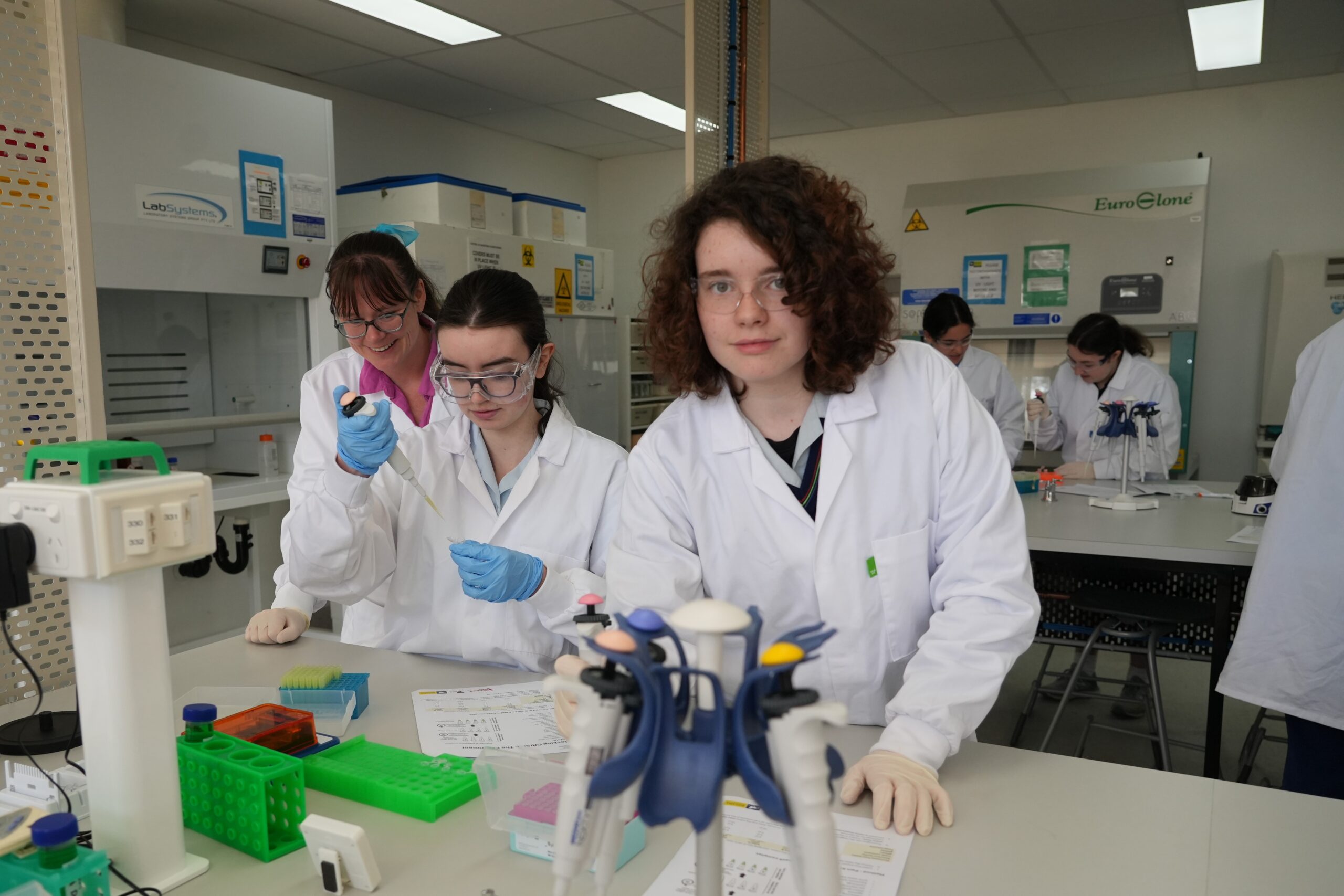
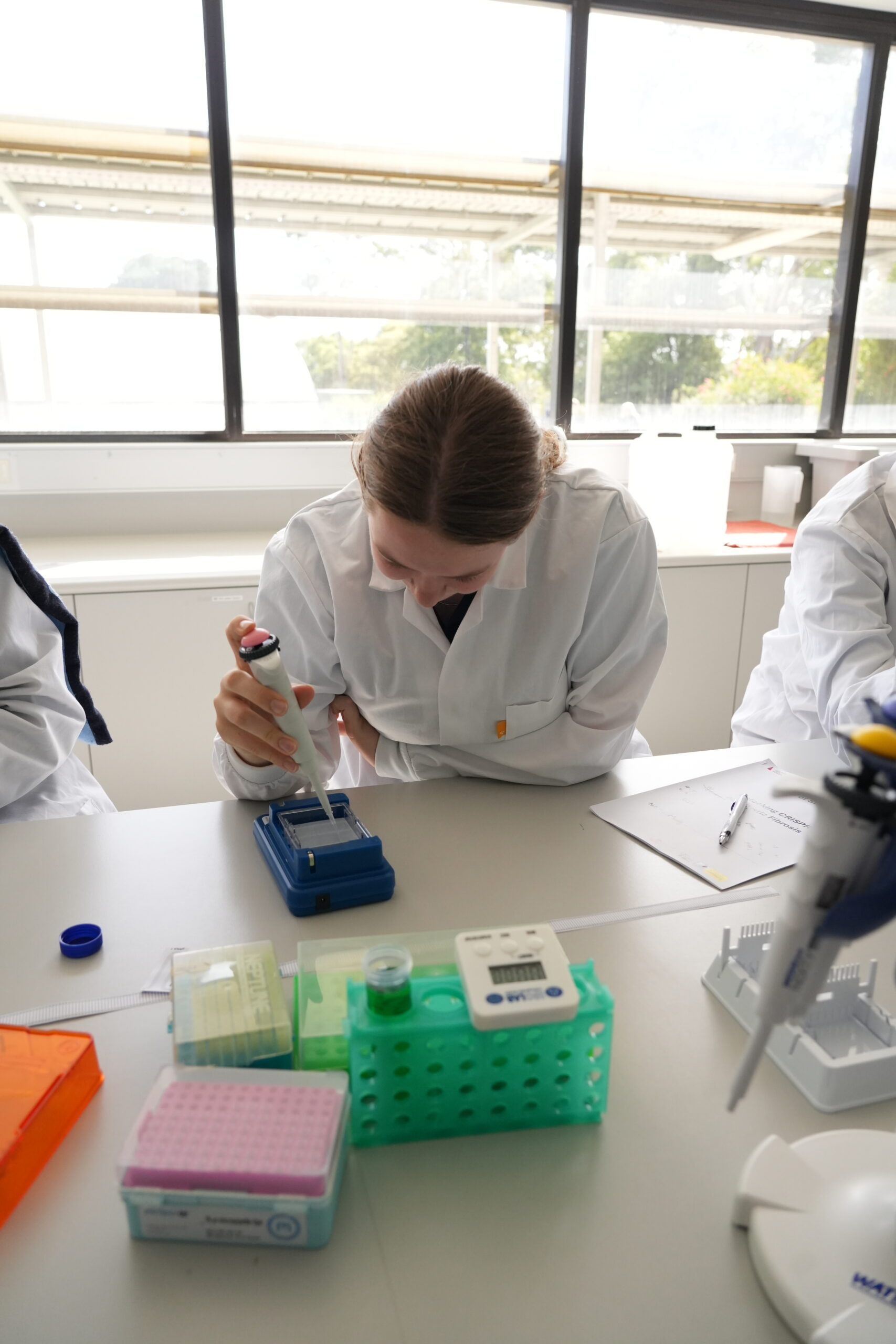
Students use micropipettes and gel electrophoresis to analyse modelled DNA samples, identifying genetic variation within and between populations. They compare morphological features, explore molecular and structural homology, and use DNA sequence data to construct and interpret phylogenetic trees. Students also consider how selection pressures, genetic drift, gene flow, mutation, bushfire and habitat fragmentation can affect allele frequencies and genetic diversity over time. This session aligns with VCE Biology Unit 4, Outcome 2, supporting potential School Assessed Coursework (SACs) through practical evidence collection, comparative analysis and data interpretation. It provides a rich opportunity to connect the mechanisms of evolution with biodiversity, conservation and species survival.
Learning Outcomes
Career Paths
Tertiary Options
Before your visit
Yarra Ranges Tech School has pre-work and post-work developed specifically for each program. We suggest reviewing and implementing these resources to enhance your curriculum and support alignment with the Victorian 2.0 curriculum.
Share your resources
Yarra Ranges Tech School recognises the hard work our partner school teachers put into developing resources. If you have materials that link to our programs, we’d love to share them with your peers. Please contact us at YRTSProgrambookings@boxhill.edu.au to submit your resources.